





The Pre-Production Walkthrough: A Soundstage Booking Checklist for Smooth Shoot Days
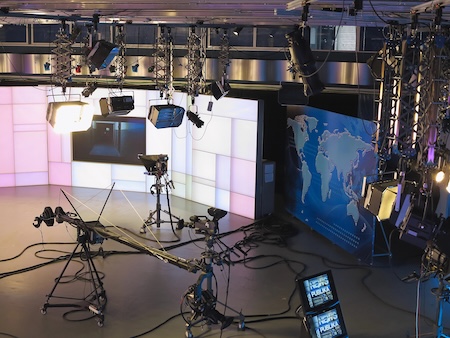
Booking a stage should feel simple, not stressful. This soundstage booking checklist provides a practical pre-production walkthrough in East Hanover, NJ, so you can focus on the creative. If you want to see how projects come together in our space, browse recent client productions for ideas and standards your team can copy.
Whether you are filming brand content, interviews, or a music video, the best shoots in Morris County start with clear, written checks. New Jersey weather swings fast, Route 10 traffic ebbs and flows, and crews often drive in from Morristown, Livingston, and Newark. Use this guide to spot issues before they become delays, and share it with your AD, gaffer, and sound mixer ahead of tech scout day. For a quick primer on key steps, start with this soundstage booking checklist and build from there.
Why A Pre-Production Walkthrough Matters In East Hanover, NJ
Studios look similar online, but the details on site make or break your day. The walkthrough is your chance to match the stage to your script, confirm power and sound, and align parking with your call sheet. In East Hanover, winter snow or a summer heat wave can change how you load in and how loud HVAC runs during takes. Getting eyes on the space helps you plan for real-world conditions, not just a spec sheet.
The Soundstage Booking Checklist: What To Confirm Before You Sign
Walk the space with this checklist open on your phone or clipboard. Ask for plain answers and note any custom needs in writing on your hold or rental agreement.
- Load-in path and door sizes from parking to stage, plus elevator details if any.
- Dedicated parking count, box truck clearance, and staging zones for grip and electric.
- Power service type, available amps, distro layout, and tie-in policy.
- HVAC controls, set temperatures, and how to pause air during takes.
- Baseline room tone and any outside noise during the hours you plan to shoot.
- Grid height, rigging points, wall options, and floor protection requirements.
- Crew flow to green rooms, hair and makeup, client area, and bathrooms.
- Internet speed tests, hardline availability, and backup plans.
- Safety rules, insurance certificates required, and stage supervision policies.
Load-In And Parking: Plan The First 60 Minutes
Your first hour sets the tempo for the whole day. Confirm where trucks stage, how far carts roll, and what time doors open. In East Hanover, plan around Route 10 rush periods and nearby retail traffic that peaks around lunch and early evening. Ask for cones or signage to hold spots for your grip truck and any cube vans.
Measure the narrowest point of your path from truck to set. A wide cyc means little if your set wall will not fit through a door. Label the elevator or corridor path on your call sheet, and post a PA there to keep carts moving. If rain or snow is in the forecast, place floor protection at the entrance and roll heavy gear first to cut trips.
Power And Distribution: Keep Cameras And Lights Stable
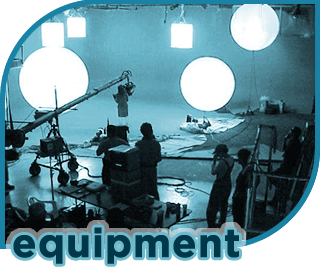
Power is the silent partner to every clean take. Identify the house panels, distro locations, and where your dimmers or batteries will be located. Ask the stage manager to walk you through any live tie-in points and their rules for who can operate them. If you plan to fly big soft sources or power-hungry LEDs, confirm distance to outlets and cable runs to avoid messy spaghetti on set.
Never overload a circuit or daisy-chain high-amp gear beyond the manufacturer’s recommendations. Do a live light-up test with the gaffer during the walkthrough if possible. Bring a multimeter and note voltage at peak draw. Check for separate, clean power for sound village and DIT so audio does not fight with dimmer buzz or camera power spikes.
HVAC And Climate Control: Comfort Without Compromising Sound
Comfort keeps morale high, especially during full days. The catch is that air handlers can hum right into your takes. Ask how to control the system and whether the stage team can pause air during rolling. Some units have a quiet mode; others need a simple pause-and-resume routine your 2nd AC can call out on the slate.
Set target temperatures for holding, makeup, and the stage. In New Jersey summers, pre-cool the stage before call and then cycle the air between takes. In winter, pre-heat green rooms so talent can rest between shots. Note how long the room takes to settle after the air shuts off so the mixer can plan for wild lines or second sticks.
Noise Control And Soundproofing: What To Listen For
Close your eyes and listen for a full minute. Check for roof fans, traffic peaks from I-280, or occasional aircraft paths in late afternoon. Ask about neighboring units and their work hours. Bring headphones and a portable recorder to capture a room tone reference you can share with post.
Hold a 60-second room-tone test during the walkthrough and again during your tech scout. Check for dimmer buzz, ballast noise, or RF spill where your wireless mics will live. If you expect practicals or flicker-sensitive fixtures, test them at the frame rate and shutter you plan to shoot.
Stage Layout, Walls, And Rigging Points
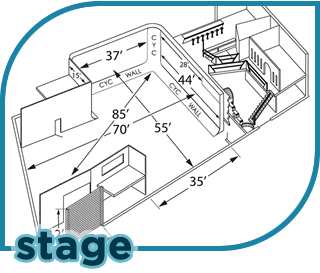
Map the stage like a mini city. Where will your camera carts park, where does art build, and where does talent land when they step off set? Confirm grid height and rated points if you plan to hang truss or soft boxes. Ask about wall options, paint policies, and whether you can lay down dance floor or protective Masonite for heavy set pieces.
If you are shooting a seamless background, check cyc conditions, corner radius, and repaint policy. If you are building walls, mark the screw and anchor rules so art does not lose time day-of. Keep clear aisles for fire egress, and ensure carts have a loop that avoids tight turnarounds.
Crew Flow, Green Rooms, And Client Spaces
Comfort zones speed up approvals. Walk the path from the set to the video village to the client lounge. Confirm monitor sizes, power, and where clients can take calls without bleeding into audio. Reserve a quiet corner for the mixer and boom to stage their cases and charge batteries.
Hair and makeup need strong, color-accurate light, mirrors, and reliable outlets. Place them near bathrooms but away from the dusty build zone. Stock the green room with water and light snacks, and add simple signage so talent never wanders into a cable run. These small choices reduce resets and protect gear.
Safety, Access, And What To Prepare
Ask what certificates of insurance are required, who must be named, and how far in advance documents need to be submitted. Confirm who has keys or access codes and when a stage supervisor will be present. Identify all fire extinguishers and first aid locations, and walk your exits with the AD so it is part of the safety meeting.
Plan a quick five-minute safety huddle after crew lands but before carts enter the stage. Cover where heavy items live, which zones are hot, and any ladder or lift rules. Your walkthrough notes should feed that huddle so you do not miss a detail under pressure.
Local tip: traffic on Route 10 can spike around 8 a.m. and 5 p.m. In East Hanover, schedule large deliveries before 7:30 a.m. or after 10 a.m. to keep load-in running smoothly. In winter, ask the studio about snow-ready parking plans so trucks and talent vehicles do not get boxed in.
Day-Of Walkthrough Script You Can Reuse
Use this quick script when you step onto the stage on shoot morning. It keeps your team aligned and catches last-minute gaps.
- Confirm parking holds are in place and the load-in path is clear and protected.
- Power up the distro, check the voltage, and label the circuits for camera, lighting, sound, and DIT.
- Cycle HVAC. Note how long it takes for air to quiet after shutdown.
- Walk the set with art and grip. Mark safe zones and cable crossings.
- Run a 60-second room tone. Listen for new noises and fix them now.
- Check client village monitors and coms. Verify Wi-Fi or hardline speed.
- Review exits, first aid, and extinguisher locations during the safety meeting.
Local Logistics: Weather, Traffic, And Vendor Timing
East Hanover sits near I-280 and Route 10, so plan truck routes that avoid tight turns during peak hours. For deliveries coming from Newark Liberty International Airport or Jersey City warehouses, add buffer time for tunnels and tolls. Snow or heavy rain can slow carts at the door, so bag gear and keep extra floor protection handy. In summer humidity, hydrate the team and pre-cool the set before lighting, so the heat from the fixtures does not fight you all day.
If you have talent or clients coming from Short Hills, Chatham, or Parsippany, include parking notes on the call sheet and text a pin drop the night before. Nearby food options get busy at lunch, so place orders early or plan a staggered break. A little planning here saves 30 minutes later.
Documentation: Notes That Save Your Edit
Good notes speed up approvals and post. Log what power circuits fed which fixtures and where mics were placed. Note any HVAC pauses on the slate and in the sound report so editors know what to expect. Snap photos of the distro, the grid, and the final set before wrap for continuity and pickups.
Keep a shared folder with the floor plan, lighting diagram, and revised schedule. When clients ask how the day ran so smoothly, you can point to these artifacts and build trust for the next booking.
How Butter Tree Studios Supports Client Productions
Every stage has its rhythm. At Butter Tree Studios, we help you set it during the hold, the scout, and the pre-light so shoot day feels calm and professional. To see how teams like yours work here, skim a few recent client productions and note the way prep, power, and audio are handled from first load-in to final take.
If you are mapping out your next branded shoot, interview day, or product demo, our coordinators can walk you through options that fit your crew size and schedule. You will leave with a clear plan for load-in, parking, power, HVAC, and noise control that lines up with your call sheet. For a broader look at what we offer, the home page is a helpful starting point, but this guide is built to answer the nuts and bolts you need on set in East Hanover, NJ.
Putting It All Together
Use this checklist to run a clean walkthrough, then hand it to your AD and department leads. Start with parking and load routes, lock power and distro, set HVAC rules, and test noise. Walk client paths and green rooms so approvals come fast and quiet. Finally, script your day-of checks so you enter the first setup ahead of schedule.
Book your pre-production walkthrough with Butter Tree Studios to ensure a smooth, stress-free soundstage booking. Have a question about a specific setup or crew flow? Call us at 973-585-7632 and talk with a stage coordinator who can help you plan.
If you need an end-to-end view of how projects move through our space, explore our client productions section for real-world examples and notes you can borrow on your next shoot.
Ready to plan a seamless day in East Hanover, NJ with a team that cares about the details? Learn how we support scheduling, prep, and on-site coordination in our client productions hub, then use this soundstage booking checklist with your crew during the scout and on the morning of your shoot.
Confirm HVAC cutoffs during takes and document the timing so your mixer can predict the noise floor. With a calm plan and the right stage partner, your shoot will feel focused from first battery charge to final slate.